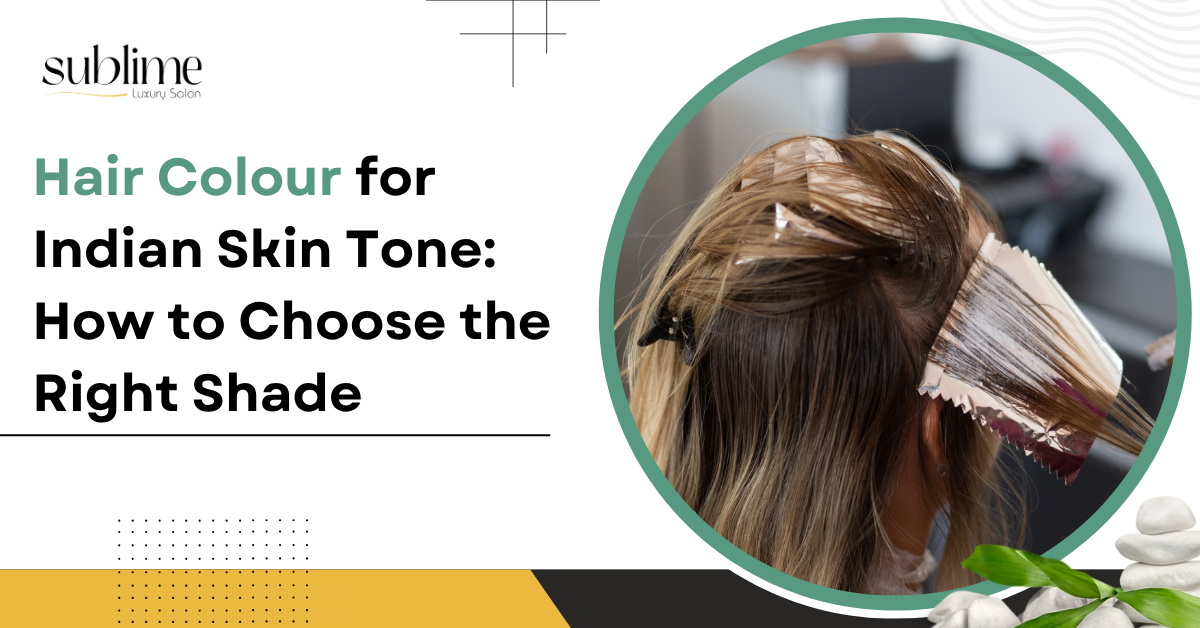
Hair colour trends change every season, but not every trending shade actually suits every person. Before you pick a colour because it looked great on someone else, it helps to understand a few basics about what actually works for your skin tone, hair texture, and lifestyle.
Start With Your Skin Tone, Not the Trend
Skin tones are generally grouped into warm, cool, and neutral undertones, and hair colour tends to look most natural when it works with your undertone rather than against it.
- Warm undertones (skin with golden, peachy, or yellow hints) usually suit warm hair shades like caramel, honey blonde, or chestnut brown.
- Cool undertones (skin with pink, red, or blue hints) tend to look best with ash tones, cool browns, or blue-black shades.
- Neutral undertones have more flexibility and can usually carry both warm and cool shades well.
A simple way to check: look at the veins on your wrist in natural light. Greenish veins usually mean warm undertones, while bluish veins usually mean cool undertones.
Think About Maintenance, Not Just the Look
Some colours are far more demanding than others once you leave the salon chair.
- Close to your natural shade — lowest maintenance, minimal root touch-ups needed.
- A few shades lighter or darker — moderate maintenance, touch-ups every 6-8 weeks.
- Dramatic changes like platinum blonde or vivid colours — high maintenance, frequent salon visits, and often more haircare products to keep the colour from fading or damaging your hair.
Be honest with yourself about how much time and money you’re willing to spend after the first appointment. A colour that looks incredible on day one but fades badly or damages your hair within weeks isn’t a great trade-off.
Consider Your Hair’s Current Condition
Colour-treated hair needs healthy hair to begin with. If your hair is already dry, brittle, or damaged from previous treatments, going for a drastic colour change — especially lightening — can cause further damage. In these cases, a good stylist will often recommend a hair spa or conditioning treatment first, or suggest a gentler colour option until your hair is in better shape.
Test Before You Commit
If you’re unsure about a colour, ask your salon about doing a small strand test first. This gives you a real sense of how the colour will look on your specific hair, rather than relying on a photo of someone else’s hair under different lighting. It’s a small extra step that can save you from a colour you regret.
Talk to Your Stylist Honestly
The best hair colour outcomes usually come from an honest conversation with your stylist — about what you actually want, how much upkeep you’re willing to do, and any hair concerns you already have. A good stylist will guide you toward a shade that suits you, even if it’s not exactly the photo you brought in, and explain why.
Final Thought
The right hair colour isn’t just about what’s trending — it’s about what works with your skin tone, fits your lifestyle, and keeps your hair healthy in the process. A little research and an honest conversation with your stylist go a long way toward a colour you’ll actually be happy with weeks later, not just on the day you leave the salon.